Exploring the Mediterranean: Top Yachting Destinations in Croatia
The Croatian Adriatic coastline, with its more than a thousand islands, islets, and reefs, offers one of the most diverse and scenic yachting environments in the Mediterranean. Stretching from the Istrian peninsula in the north down to the historic city of Dubrovnik in the south, this region combines crystalline waters, well-preserved natural landscapes, and a rich cultural heritage. Sailing along the Croatian coast provides opportunities to explore both bustling port towns and remote, tranquil bays, each with its own character and appeal.
For those considering a sailing itinerary in this part of the world, understanding the geography, local customs, and available facilities is an important part of the planning process. The Croatian Adriatic is divided into several distinct areas, each offering different conditions and experiences. The northern region, with its gentle winds and more sheltered waters, contrasts with the southern Dalmatian islands, where the open sea and stronger breezes create a different sailing dynamic. This article provides an overview of some of the most notable destinations, anchorages, marinas, and coastal towns, along with practical considerations for navigating these waters.
Whether one is an experienced sailor or new to the region, the Croatian coast invites careful exploration. The information that follows is intended to support the process of itinerary planning by highlighting key locations and offering context about what to expect in terms of services, surroundings, and local culture.
The Dalmatian Coast: Geography and Sailing Conditions
The Dalmatian coast, which spans from the city of Zadar in the north to the Pelješac peninsula in the south, is the most popular area for yachting in Croatia. This region includes the Kornati archipelago, the islands of Šibenik, and the central Dalmatian islands such as Brač, Hvar, and Vis. The waters are generally clear and deep, with numerous channels that allow for protected passages even when the open sea is rougher. The prevailing wind in summer is the maestral, a northwesterly breeze that typically builds during the day and calms in the evening, providing reliable conditions for day sailing.
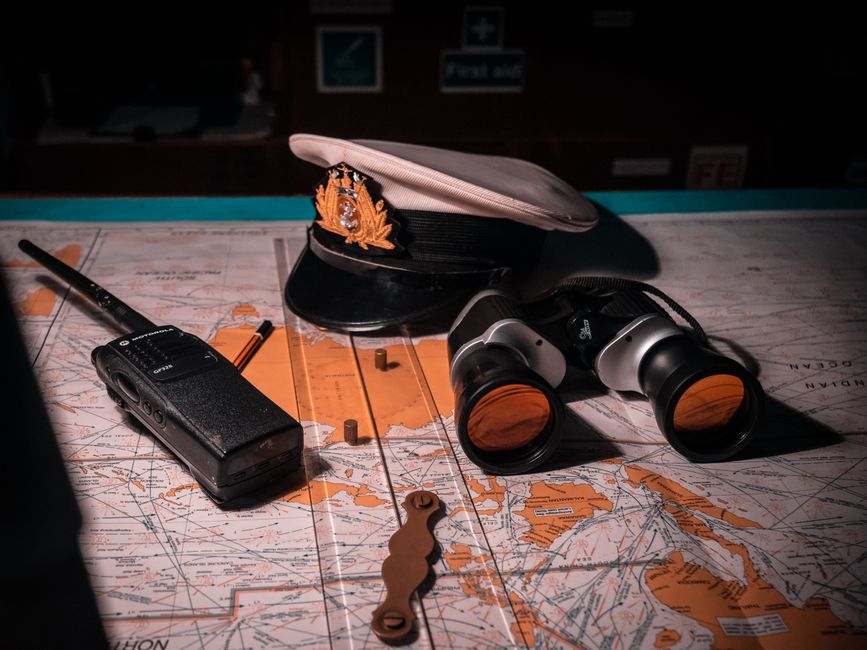
Navigational charts and local weather forecasts are essential tools for any itinerary. The coastline is marked by many lighthouses and beacons, and most hazards are well documented. However, the presence of underwater rocks and shallow areas in some bays requires careful attention, especially when approaching unfamiliar anchorages. Many sailors choose to consult updated pilot books or digital navigation platforms. Understanding the seasonal patterns, such as the occasional bora wind in winter or the jugo in spring and autumn, helps in planning longer passages.
The natural harbors and indented coastline create a multitude of safe havens. Islands like Vis, Lastovo, and Mljet are part of protected areas where anchoring is subject to specific regulations. These islands offer a more secluded experience, with fewer marinas and a greater reliance on mooring buoys or anchoring in designated zones. The balance between developed tourist infrastructure and preserved nature is one of the defining features of the Dalmatian coast.
Iconic Anchorages and Secluded Bays
One of the primary attractions of yachting in Croatia is the ability to find quiet, picturesque anchorages away from crowded harbors. The Kornati National Park, for example, consists of dozens of islands and islets where anchoring is permitted only in certain areas. The bay of Levrnaka on the island of Kornat is a popular spot, offering shallow turquoise waters and a sandy bottom. Similarly, the island of Vis is home to the famous Stiniva Cove, a narrow inlet surrounded by high cliffs that leads to a small pebble beach. Access is limited by the narrow entrance, but once inside, the cove provides excellent shelter.
Other notable anchorages include:
- Luka on the island of Lastovo, a deep bay with clear water and a peaceful atmosphere, surrounded by lush vegetation.
- Saplunara on Mljet, a sandy beach bay with good holding for anchors and easy access to the Mljet National Park walking trails.
- Uvala Nečujam on the island of Solta, a wide bay protected from most winds and close to the town of Split.
When selecting an anchorage, factors such as wind direction, bottom type, and proximity to facilities play a role. Many sailors prefer to anchor in sand or mud bottoms for better holding, while rocky bottoms may require extra attention. The use of mooring buoys is increasingly common in sensitive ecological areas, and fees are often collected by local authorities. Respecting environmental guidelines, such as not discharging waste and avoiding damage to seagrass meadows, is part of responsible cruising in the Adriatic.
Modern Marinas and Support Services
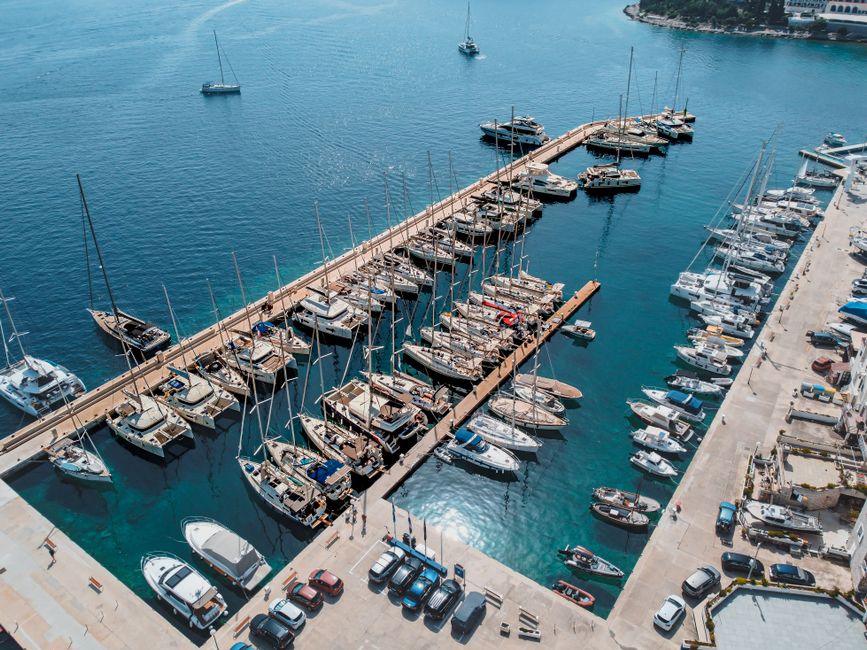
For those who prefer alongside berthing or require access to fuel, water, electricity, and maintenance services, Croatia offers a wide network of marinas. The larger marinas are found in major coastal cities and tourist hubs. Marina Kaštela near Split, Marina Dubrovnik, and Marina Zadar are among the most comprehensive, providing 24-hour security, laundry, restaurants, and repair facilities. Many marinas also offer winter storage and haul-out services for yachts of various sizes.
Smaller marinas, such as those in the towns of Korcula, Hvar, and Rovinj, cater to both visiting yachts and local boat owners. These marinas often have a more intimate atmosphere and are located within walking distance of historic centers. Reservations are recommended during the peak summer months, especially for berths over 12 meters. Some marinas operate online booking systems, while others require direct contact via VHF radio or phone upon arrival.
Fuel stations are available at several points along the coast, including at major marinas and some smaller ports. Diesel and gasoline are widely available, but it is advisable to plan refueling stops when venturing into more remote areas like the southern islands. Additionally, provisioning is possible in larger towns where supermarkets and markets are located near the waterfront. For technical issues, a few specialized yacht service centers operate in Split, Šibenik, and Dubrovnik, offering engine repairs, rigging, and electronics support.
Historic Coastal Towns and Cultural Stops
The Croatian coast is dotted with towns that have retained their medieval character, making them appealing destinations for yachting crews. Dubrovnik, a UNESCO World Heritage site, is often the starting or ending point for many itineraries. The old port, located within the city walls, provides a unique berthing experience, though space is limited and must be booked in advance. The city offers museums, galleries, and a variety of dining options along the Stradun promenade.
Hvar town, on the island of the same name, is another popular stop. Its harbor is lined with cafes and boutiques, and the fortress above the town provides panoramic views over the Pakleni Islands. Hvar is known for its vibrant summer atmosphere, but it also has quieter periods in spring and autumn. Korcula town, often referred to as a mini-Dubrovnik, has a distinctive round tower and a maze of narrow streets. The town claims to be the birthplace of Marco Polo, and its architecture reflects Venetian influence.
Further north, Trogir, located on a small island between the mainland and the island of Čiovo, is another well-preserved medieval settlement. Its cathedral and numerous palaces are accessible directly from the marina. In Istria, the town of Rovinj offers a colorful skyline of houses built on a hilltop, with a busy harbor and nearby islands such as the St. Andrew Archipelago. Each of these towns contributes to the cultural richness of a sailing itinerary, providing opportunities for shore excursions that combine history with local cuisine and wine.
Practical Considerations for Planning a Sailing Itinerary
When designing a multi-day route along the Croatian coast, several factors come into play. The distances between ports and anchorages are generally manageable, with most day sails ranging from 15 to 30 nautical miles. However, the number of islands and the complexity of the channels mean that travel times can vary depending on wind and current conditions. A typical one-week itinerary might cover the area between Split and Dubrovnik, with stops at Brač, Hvar, Korcula, and Mljet. Alternatively, a longer trip could include the Kornati islands and the northern coast.
Regulations regarding charter licenses, crew requirements, and boat documentation are important to review before departure. For those chartering a yacht, the company will usually provide a check-in briefing covering local rules. The use of a logbook and maintaining communication with the marina or port authority is standard practice. Many sailors also rely on electronic navigation aids, though carrying paper charts as a backup is recommended.
Weather conditions can change quickly, especially in the shoulder seasons. Monitoring forecasts from sources like the Croatian Meteorological and Hydrological Service allows for adjustments to the itinerary. It is also worth noting that some anchorages become crowded in July and August, so leaving early in the morning or arriving later in the afternoon can provide more space. By approaching the planning process with flexibility and attention to local conditions, a sailing trip along the Croatian Adriatic can be a rewarding experience that balances exploration with comfort.